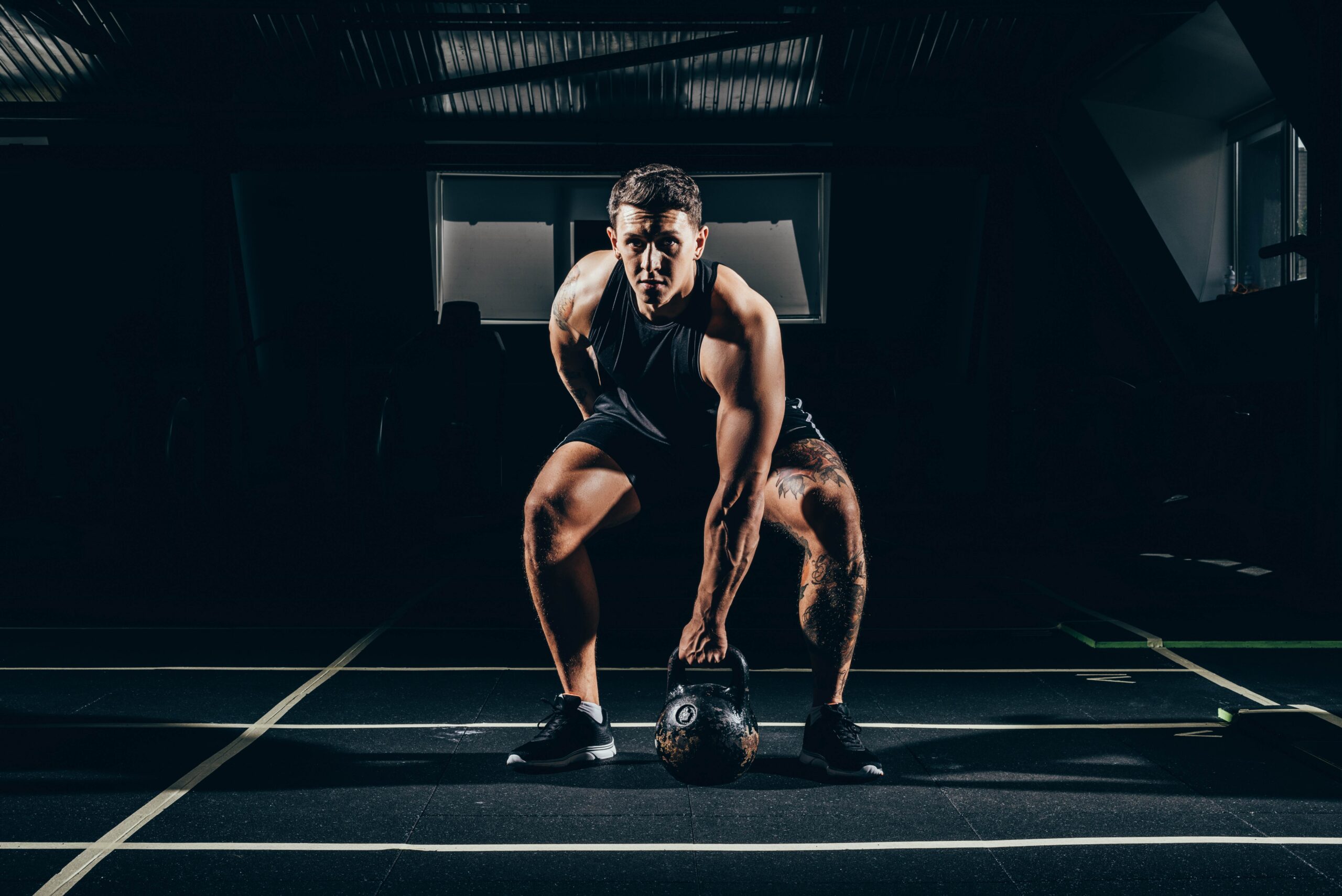
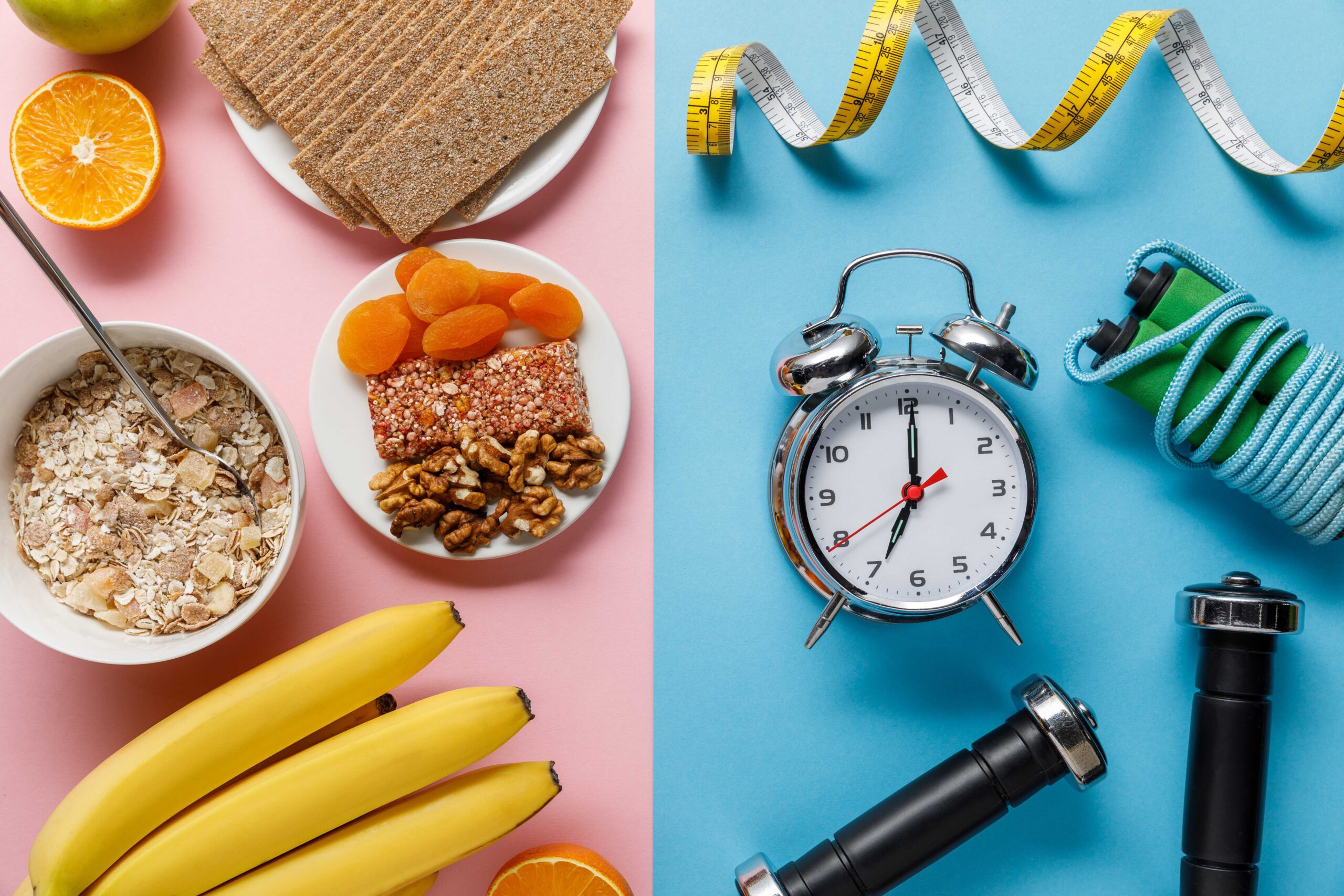
Physical activity doesn’t just mean exercise, but it can lead to good results. Eating and exercise are linked and impact energy levels, recovery and overall performance. The food eaten before and after training can affect how the body feels during activity and how quickly it recovers afterward. Knowing some basic principles of nutrition will help you in forming your more effective workout routine.
Why Eating and Exercise Are Closely Connected
Every movement of the human body requires energy. Muscles require fuel to maintain their performance and endurance during exercise. Food gives carbohydrates, protein, fats, vitamins, and minerals for the proper working of different body systems.
Timing of meals may make exercise feel more difficult. Some people feel tired, hungry, or dizzy or have difficulty concentrating during a workout. On the other hand, eating too much prior to physical activity can lead to discomfort and make movement more difficult.
As the length and intensity of the workout increase, the link between diet and training becomes that much more important. A person who is training for a long event requires more planning than a person who is doing occasional recreational activity.
The Role of Breakfast Before Physical Activity
Morning exercise is popular because it fits easily into many schedules. For people who train early, breakfast often becomes the first source of energy for the day.
A balanced breakfast usually contains carbohydrates because they provide accessible energy. Some individuals also include protein to support muscle function and increase satiety.
Common breakfast foods
- Whole grain bread or cereal
- Low fat milk
- Yogurt
- Fruit such as bananas or apples
- Natural fruit juice
Many active people also have a cup of coffee before training. Some people may feel more alert during exercise with moderate caffeine consumption. But reactions vary from person to person.
It’s usually not a good idea to try new foods just before you train. New products can upset the stomach and sometimes interfere with performance.

Portion Size and Meal Timing
The amount of food eaten before exercise matters almost as much as food quality. Large meals need more time for digestion, while smaller snacks are processed more quickly.
General timing recommendations are often based on meal size. The goal is to provide energy while avoiding stomach discomfort during movement.
People who overeat before exercise sometimes feel heavy and sluggish. If you eat too little you may feel low on energy before the workout is finished.
Each person reacts differently. Figuring out the best schedule is often a matter of experimentation and observation.
Smart Snacks Before and During Workouts
Snacks can provide extra energy between meals and exercise. They are often useful when there are several hours between eating and training.
Short workouts usually do not need anything extra before activity. Longer sessions, though, can benefit from some additional carbohydrates.
Common options include fruit, yogurt, whole–grain foods, smoothies, and simple sandwiches. These are generally easy to digest and easy to take with you.
During longer exercise, some people also use carbohydrate drinks. These are mainly used when activity lasts for an extended period.
The best snack depends on the workout, how long it lasts, and personal preference. What suits one person may not suit another.
Recovery Nutrition After Exercise
Physical activity stresses the muscles and depletes energy stores. The body, following exercise, starts recovery processes to rebuild tissues and restore energy stores.
Post–workout meals usually have carbohydrates and protein. Carbs aid in refilling energy stores and protein aids in muscle repair.
When you eat after exercise is important, too. After hard sessions many people will try to eat a meal within a couple of hours after training.
Recovery is not simply about the muscles. Nutrition also helps replenish energy and prepares the body for the next workout.
Hydration and Physical Performance
Water is important in working out. The body loses fluid through sweating and breathing during activity. Dehydration may occur if lost fluids are not replaced.
Even mild dehydration can affect endurance, concentration and physical comfort. For this reason, hydration should be considered before, during and after exercise.

People often follow several basic hydration habits:
- Drink water before activity begins.
- Continue drinking small amounts during exercise.
- Replace lost fluids after training.
- Increase intake during hot weather.
- Pay attention to thirst and physical signs of dehydration.
Most workouts benefit from water. Occasionally, after an hour or more of activity, you’ll want to add some extra electrolytes and carbohydrates. For some people, sports drinks could be helpful in those instances.
Fluid needs vary with body size, exercise intensity, environmental conditions and individual sweat rate. There is no one amount that works perfectly for everyone.
Using Experience to Improve Nutrition Habits
Nutrition guidelines are good guidelines to begin with, but personal experience is still important. Two people on the same diet may not have the same results due to different reactions of the body.
Useful patterns can be found in simple notes on meals, snacks, hydration, and workout performance. They learn over time which foods give them energy and which items make them feel uncomfortable.
Special attention should be paid to long–distance events. Athletes usually don’t want to try new foods right before competing, as they don’t want any surprises in the bathroom that might affect performance.